Ultimate Move Out Cleaning Checklist for a Stress-Free Move
Professional Move-Out Cleaning Checklist for Homeowners — Your Complete Guide to a Stress-Free Move

Moving is stressful — and the cleaning that comes with it can be the worst part. This focused move-out checklist is built to help homeowners protect security deposits, leave a great impression for buyers or new tenants, and decide when to DIY versus hire pros. Inside, you’ll find what a professional move-out clean covers, a room-by-room checklist, where deeper cleaning preserves property value (and prevents mold or appliance damage), plus practical DIY checks, signs it’s time to call a pro, and how pricing and booking work in New Milford, CT. Each section gives clear actions, short time estimates, and pro tips so you can prioritize tasks or hand the list to a cleaning team.
What a Professional Move-Out Cleaning Checklist Covers
A professional move-out checklist breaks down the work needed to return a home to inspector-ready condition. Pros take a systematic route: clear debris, deep-clean kitchens and bathrooms, sanitize high-touch spots, and treat floors and windows so the property looks its best for landlords or buyers. The payoff is better presentation, fewer deposit deductions, and less time on your part during closing day. Standardized checklists also cut down on missed items that commonly trigger walkthrough disputes.
After the room-by-room overview below, homeowners who want to hand the checklist to a team can explore local providers that specialize in move-in/move-out work. For example, Move In & Move Out Cleaning is one of our services — staffed by trained technicians using pro equipment, backed by a 100% satisfaction guarantee, price-match options, and 24/7 support. That example shows how professional coverage maps to checklist items and helps you decide whether to DIY or schedule a move-out clean.
General Tasks Every Homeowner Should Do
Start with property-wide tasks to create a clean baseline and avoid common inspection complaints. Key actions: dust and wipe horizontal surfaces, vacuum and mop floors, clean interior windows and mirrors, and remove all trash and personal items. Also wipe door frames, light switches, and reachable baseboards — those small spots are often what inspectors notice first. Doing these general tasks before appliances and deep-cleaning saves time and gives your home a consistent, maintained look.
Use this short checklist to get the basics done before tackling specialty work.
- Dust and wipe horizontal surfaces, working top to bottom to catch settled dust.
- Vacuum carpets and rugs, then mop hard floors with a manufacturer-safe cleaner.
- Clean interior windows, mirrors, and glass doors until streak-free.
- Remove trash, personal items, and any adhesive residue from walls and fixtures.
These steps reduce obvious inspection issues and create a smooth flow into room-specific cleaning like kitchens and bathrooms, which need deeper treatment.
Key Kitchen Steps for Move-Out Cleaning

The kitchen needs appliance-focused work — ovens, refrigerators and range hoods collect grease and residue that buyers and inspectors spot right away. A practical kitchen routine includes degreasing surfaces, wiping cabinet interiors, sanitizing counters and sinks, and deep-cleaning major appliances so they function and look well cared for. Sequence the work: clear cabinets, clean appliances, then finish with floors to avoid rework. If you prefer a quick appliance-by-appliance guide, use the table below to match tasks with tips.
This appliance checklist pairs each common kitchen unit with the task and an actionable tip so you get a pro-level result.
| Appliance / Area | Task Type | Specific Action / Tip |
|---|---|---|
| Oven | Interior degreasing | Remove racks, apply a degreaser or soak racks, scrub and wipe; use the self-clean or heat-bake cycle if the oven allows. |
| Refrigerator | Interior sanitizing | Empty and defrost if needed, clean shelves and door seals, wipe the exterior and vents. |
| Microwave | Spot cleaning & odor removal | Clean the turntable and interior walls; steam with a vinegar solution to loosen grime and neutralize odors. |
This compact area–task–action table helps you prioritize time-consuming kitchen items and decide if you should DIY or call a pro. Deep appliance work preserves function and prevents inspection disputes. Next we’ll cover bathrooms and living areas that also need targeted deep cleaning.
Deep-Cleaning Bathrooms and Living Areas
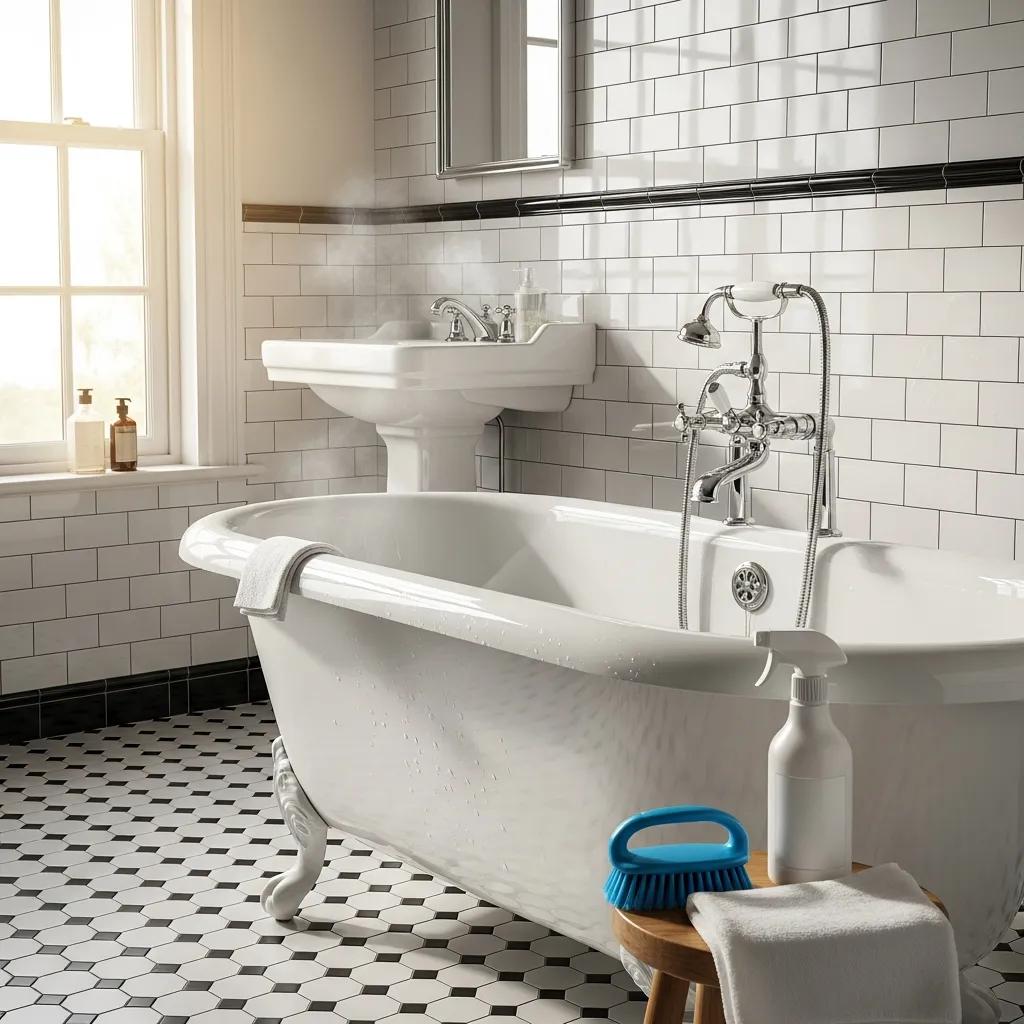
Deep cleaning bathrooms and living areas is about sanitation, stain removal, and restoring surfaces to inspection-ready condition. Focus on grout, fixtures, upholstery, and airflow. Effective deep cleaning removes soap scum and hard-water stains, sanitizes high-touch areas, and treats vents to reduce mildew risk — protecting health and resale value. The approach combines scrubbing, the right cleaners, and finishing touches like polishing fixtures and deodorizing vents. Below are practical steps you can follow or hand to a cleaning crew.
Follow this sequence to deep-clean bathrooms efficiently.
- Clear and declutter: Remove personal items and disposables, then dust vents and light fixtures.
- Treat grout and tile: Apply grout cleaner, scrub with a stiff brush, then rinse thoroughly.
- Sanitize fixtures: Clean and polish sinks, tubs, shower doors, and toilet exteriors — pay attention to seals and hinges.
- Ventilation and odors: Clean exhaust fans and vent covers, then deodorize with a safe, neutralizing product.
These steps help prioritize inspection-sensitive tasks. The next subsection explains how to handle common bathroom problem spots.
Bathroom Areas That Need Extra Attention
Moisture lets problems form quickly, so focus on grout, shower seals, and ventilation. Grout traps soap scum and mildew — a brush and targeted cleaner usually remove stains and cut mold risk. Use de-liming agents on shower doors and tubs for mineral buildup, and inspect caulking and seals to avoid water damage. Cleaning exhaust fans and medicine cabinets removes hidden grime and trapped moisture. These fixes improve hygiene and preserve fixture performance — both important to landlords and buyers.
Starting with grout and vents makes the final polishing and floor work in living areas faster and more effective.
Living Room & Bedroom Tasks That Make a Big Difference
Soft surfaces and storage areas shape first impressions and allergen levels. Key tasks: vacuum and (if needed) steam-clean carpets, dust ceiling fans and light fixtures, wipe closet shelves and rails, and remove wall scuffs and small nail holes where appropriate. Treat upholstery and window coverings to reduce odors and improve appearance. A clean closet and storage area helps pass inspections and leaves the home ready for the next occupant.
Finishing living-area deep cleaning prepares the property for final walkthrough touches and helps you catch commonly overlooked spots described next.
Commonly Overlooked Areas That Cause Inspection Issues
Hidden spots often trigger failed inspections because they collect grime and are easy to miss. Pros always check cabinet interiors, the space behind large appliances, vents, light switches, and baseboards — these areas regularly hold dust, grease, and allergens inspectors notice. Addressing them prevents last-minute charges and improves indoor air quality for the next occupant.
The table below explains why these spots are missed and how pros typically handle them, with DIY tips you can use right away.
| Overlooked Area | Why It’s Missed | How Professionals Handle It / Quick DIY Tip |
|---|---|---|
| Behind appliances | Heavy units are hard to move | Pros unplug and pull units to vacuum and mop; DIY: use a long-handled brush and unplug safely before attempting access. |
| Inside cabinets | Out of sight during quick cleans | Pros remove shelves to wipe and deodorize; DIY: empty drawers/shelves and wipe with a mild cleaner. |
| Vents and duct covers | Require tools and access | Pros remove covers and vacuum ducts; DIY: vacuum covers and replace filters regularly. |
This area–problem–solution table highlights hidden trouble spots and leads into safe-access techniques covered next.
How to Clean Cabinets, Behind Appliances, and Vents Safely
Cleaning hidden spots is about safety and the right tools. Unplug major appliances before moving them, use a vacuum with crevice tools for vents, and remove cabinet shelves if possible to reach corners and adhesive residue. Start by clearing loose debris, vacuum, wipe with a detergent-safe solution, and finish with a disinfecting pass in food-prep zones. Professionals may use extractors or steamers when vents or heavy grease are present; homeowners can get good results with a crevice tool and non-abrasive cleaners. Tackling these areas reduces allergens and avoids surprises during final walkthroughs.
After hidden spots, focus on small but visible fixtures like switches and baseboards — explained next.
Why Light Switches and Baseboards Matter on Move-Out
Light switches, outlet plates, and baseboards are small details with a big visual impact — fingerprints, dust lines, and scuffs show up immediately. Wipe switches and plates with a disinfecting wipe and run a damp microfiber cloth or a magic eraser along baseboards to remove scuffs and trapped dust. These quick actions offer a high visual return: they make the home look cared-for and can prevent minor deductions on deposit reviews. Include them in your final walkthrough checklist to ensure the place looks inspection-ready.
Having covered what to clean and where pros add value, the next section explains why many homeowners choose professional move-out cleaning.
Why Hire Professional Move-Out Cleaners?
Hiring professional cleaners saves time, reduces stress, and delivers consistent quality. Teams bring specialized equipment, tested workflows, and inspection-focused checklists that most homeowners don’t have. Pros use tools like high-temperature steam, commercial extractors, and targeted degreasers for deeper sanitization and faster turnaround. That thoroughness lowers the risk of deposit deductions and helps present the property well to buyers — which can speed closings or re-renting. For homeowners juggling moving logistics, a professional crew gives predictable results and written confirmations that simplify handover day.
Below we break down how those benefits translate into time saved and less stress so you can compare DIY vs. pro options.
How Professional Cleaning Saves Time and Eases Moving Stress
Professional teams compress hours of homeowner work into a single appointment by working in parallel across rooms and using commercial tools that speed tasks like carpet extraction and oven degreasing. Where a homeowner might spend 8–12 hours deep-cleaning a 3-bedroom house, a crew often completes the same scope in far less time and with more consistent results. The logistics — scheduled windows, standardized checklists, and satisfaction guarantees — reduce the mental load during an already busy move. Those time and stress savings let you focus on packing, paperwork, and handover details, not the deep-clean.
Local providers with solid guarantees are especially valuable in markets like New Milford, CT; the next subsection highlights provider value propositions.
Why A Cleaner’s Kiss Is a Top Choice in New Milford, CT
A Cleaner’s Kiss includes Move In & Move Out Cleaning among its services and emphasizes homeowner-focused assurances: trained technicians using professional equipment, a 100% satisfaction guarantee with re-clean options, price-match policies, and 24/7 support with VIP communication for flexible coordination. Those features map to what moving homeowners care about most — reliable results, transparent costs, and responsive scheduling — making our service a practical option if you want to hand the checklist to a local team. Homeowners in New Milford can reference our company when comparing local bids and requesting quotes.
With provider value in view, the next section explains how pricing is set and what to ask for in quotes.
Move-Out Cleaning Costs — What Drives Price
Move-out cost depends on measurable factors that affect time, complexity, and materials. Main drivers: home size and layout, level of soiling or required deep work, number and type of appliances, pet presence, and add-ons like carpet extraction or oven restoration. These elements change crew time, equipment needs, and materials, so many providers request photos or a walkthrough before a firm quote. Instead of relying on averages, give a detailed scope to get an accurate estimate.
The table below explains each pricing factor and why it matters, with examples to help you anticipate quotes.
| Pricing Factor | Impact on Price | Why It Matters / Example |
|---|---|---|
| Square footage and rooms | High | Larger homes need more labor and supplies; a 1,200 sq ft home takes less time than a 2,500 sq ft home. |
| Condition level | High | Heavy soiling or long-term neglect requires deep-clean equipment and more onsite time, which raises cost. |
| Number of appliances / add-ons | Medium | Oven, refrigerator, and carpet cleaning are billed as add-ons because they need specialized attention. |
Use this table to understand quote variability and to ask targeted questions when requesting an estimate. The next subsection explains which home features typically affect price.
Home Features That Change Move-Out Prices
Specific features — multiple bathrooms, carpet versus hard floors, appliance count, and pet-related hair or odors — directly affect labor and equipment needs. More bathrooms or a large kitchen usually increase cost because each wet area needs deep scrubbing and sanitary passes. Wall scuffs or smoke residue add time and may need special treatments. Pets often increase effort for hair removal and odor neutralization and may trigger carpet or upholstery cleaning as add-ons. Knowing these drivers helps you prioritize services or accept add-ons that give the best inspection return.
Understanding price drivers makes it easier to judge whether professional cleaning is worth the investment — covered in the next section.
Is Professional Move-Out Cleaning Worth It?
Deciding whether to hire pros comes down to trade-offs: time saved, deposit protection, and stronger buyer impressions versus the cost. For renters facing security-deposit deductions, a professional clean often pays for itself by preventing disputes. For sellers, better presentation can speed offers and reduce negotiation headaches. DIY can be fine for lightly used homes or tight budgets, but homeowners short on time or facing high-stakes inspections usually recoup value through fewer deductions and faster closings. Always request a detailed quote listing included tasks and potential add-ons to evaluate ROI.
When asking for a quote, give clear details and photos so providers can price accurately; the next section explains booking and quoting in practice and how A Cleaner’s Kiss handles estimates.
How to Book Move-Out Cleaning in New Milford, CT
Booking a move-out clean is straightforward: define the scope, request a quote with photos or a short walkthrough, confirm included services and add-ons, and schedule a crew with a clear arrival window. Provide square footage, room counts, visible problem areas, pets, and desired add-ons like carpet extraction for faster, more accurate quotes. Expect providers to confirm start-time windows, access instructions, and cancellation or satisfaction policies. Clear info reduces surprises on service day and ensures both homeowner and crew align on inspection-level expectations.
Use these steps to prepare the info most cleaning companies need for an accurate quote.
- Share home details: square footage, room count, and which floors will be treated.
- List desired add-ons, such as oven cleaning, carpet extraction, or upholstery treatments.
- Include photos of high-dirt areas or trouble spots so the provider can estimate labor and equipment needs.
Following these steps produces clearer quotes and smoother scheduling. The next subsection outlines what to expect during quoting and confirmation.
The Booking Process and How to Get a Reliable Quote
To get a dependable quote, provide room counts, approximate square footage, photos of key areas, and a list of add-ons or surface issues; providers usually reply with a scoped estimate or request a short walkthrough. Quote turnaround varies, but many companies respond within 24–48 hours when you include photos and details. When confirming, ask about included tasks, satisfaction guarantees, and any re-clean provisions so there are no surprises at inspection. Local providers in New Milford often offer 24/7 support and flexible scheduling; for example, A Cleaner’s Kiss advertises around-the-clock support and VIP communication to coordinate timing and confirm scope.
Clear quoting communication reduces the risk of unplanned add-ons on service day. Next we cover the products and equipment professionals typically use.
Products and Equipment Used for Move-Out Cleaning
Professionals use a mix of commercial equipment — HEPA-rated vacuums, carpet extractors, steamers, and power scrubbers — plus concentrated cleaners like degreasers, disinfectants, and non-abrasive descalers to remove stubborn soils efficiently. Eco-friendly formulations are common and can be requested if occupants prefer low-toxicity options; those still rely on mechanical cleaning to remove soils. Safety practices include spot-testing finishes, ventilating while chemicals are in use, and using HEPA vacuums to reduce allergen spread. Knowing the tools and products helps you request eco-friendly services or confirm that a provider’s methods match your property-care needs.
Common equipment categories and what they do:
- HEPA-rated vacuums and carpet extractors — deep fiber cleaning and allergen reduction.
- Steamers and power scrubbers — grout, tile, and grease removal in bathrooms and kitchens.
- Commercial degreasers and disinfectants — sanitary passes on high-touch surfaces.
Understanding these tool categories helps when you evaluate add-ons like carpet or upholstery cleaning and ensures the service matches your cleanliness and environmental preferences.
Frequently Asked Questions
1. How can I prepare my home for a move-out cleaning service?
Make the crew’s work faster by decluttering and removing personal items from every room. Empty cabinets, closets, and drawers you want cleaned so technicians can access surfaces. Make sure pathways are clear and list any areas that need extra attention. If you have special requests — like eco-friendly products or delicate finishes — tell the provider when you book.
2. What should I do if I notice damage after the cleaning service?
If you spot damage after service, contact the cleaning company right away and document the issue with photos. Reputable providers — including A Cleaner’s Kiss — offer satisfaction guarantees and will work to resolve problems, whether that means a re-clean or another remedy. Keep records of your communication to help with any follow-up.
3. Are eco-friendly cleaning options available for move-out cleaning?
Yes. Many companies offer green cleaning packages that use low-toxicity, environmentally safe products. These options still rely on good mechanical cleaning (vacuuming, steam, agitation) to remove soils. Ask about specific products and certifications when you book if eco-friendly methods are important to you.
4. How long does a typical move-out cleaning take?
Cleaning time varies by home size, condition, and add-ons. A standard move-out clean for an average home typically takes 2–6 hours for a professional team; larger homes or those needing deep work (carpet extraction, oven restoration) will take longer. Confirm estimated time when you request a quote.
5. Can I stay in my home during the cleaning process?
It’s usually better to be off-site so the crew can work efficiently, but you can stay if needed. If you plan to remain, tell the provider ahead of time — they may have protocols for homeowner presence and will advise on safety and timing.
6. What happens if I need to reschedule my cleaning appointment?
Contact the cleaning company as soon as possible to reschedule. Most companies have rescheduling or cancellation policies; some allow changes without penalty if you give reasonable notice. Check the provider’s terms when you book to avoid unexpected fees.
7. How can I ensure I receive a fair quote for move-out cleaning services?
Provide detailed information when requesting a quote: square footage, room counts, photos of high-dirt areas, pets, and the add-ons you want (oven, carpet, upholstery). The more accurate the info, the more accurate the quote. Ask for a written estimate that lists included tasks and potential extra charges.
Conclusion
A professional move-out clean takes the heavy lifting off your plate and helps protect deposits while presenting your home at its best for buyers or renters. From hidden corners to high-touch surfaces, the right checklist — or a trusted local team — makes the process faster and less stressful. If you want a seamless transition, consider scheduling a move-out clean with a trusted local provider like A Cleaner’s Kiss. Reach out for a quote and let us help you make your move stress-free.
 Prev
Prev 
 Phone
Phone Location